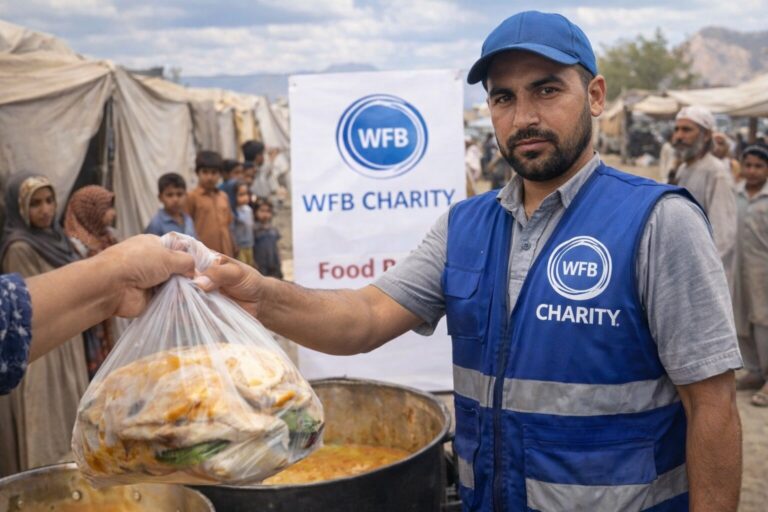
Access to clean water is one of the most powerful drivers of change in underserved communities. Without it, families face disease, lost income, and limited educational opportunities.
Water projects — such as wells, filtration systems, and sanitation education — reduce illness and improve overall quality of life. Clean water doesn’t just quench thirst; it protects children, strengthens families, and stabilizes communities.
Investing in water infrastructure is investing in health, education, and economic growth.